 View Large
Photography credit: Ascend Property Media
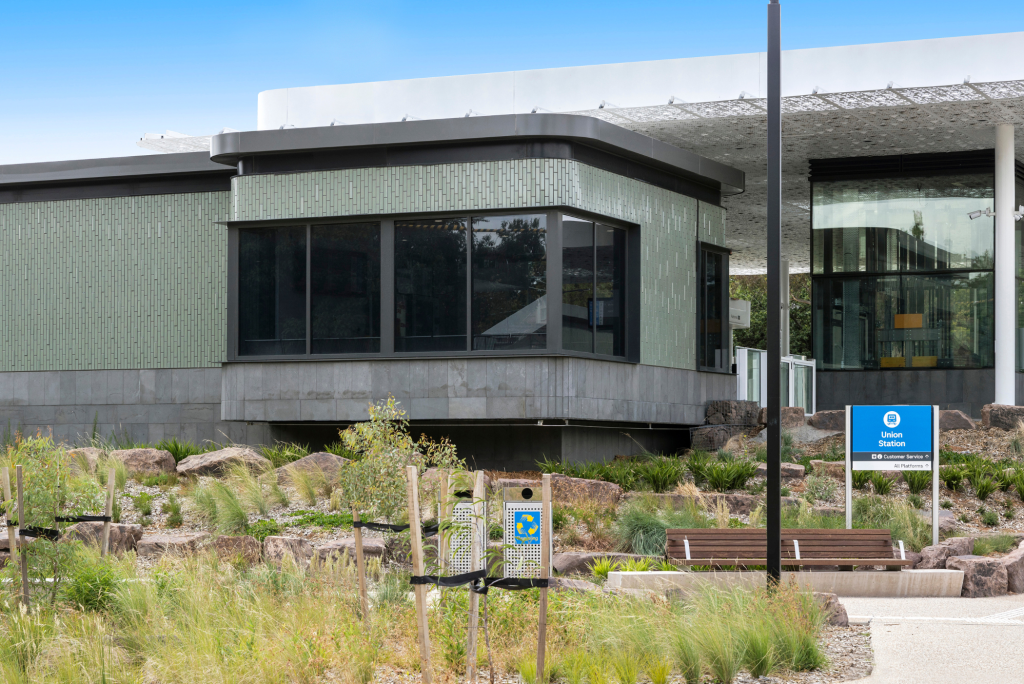
Croydon Station
Infrastructure
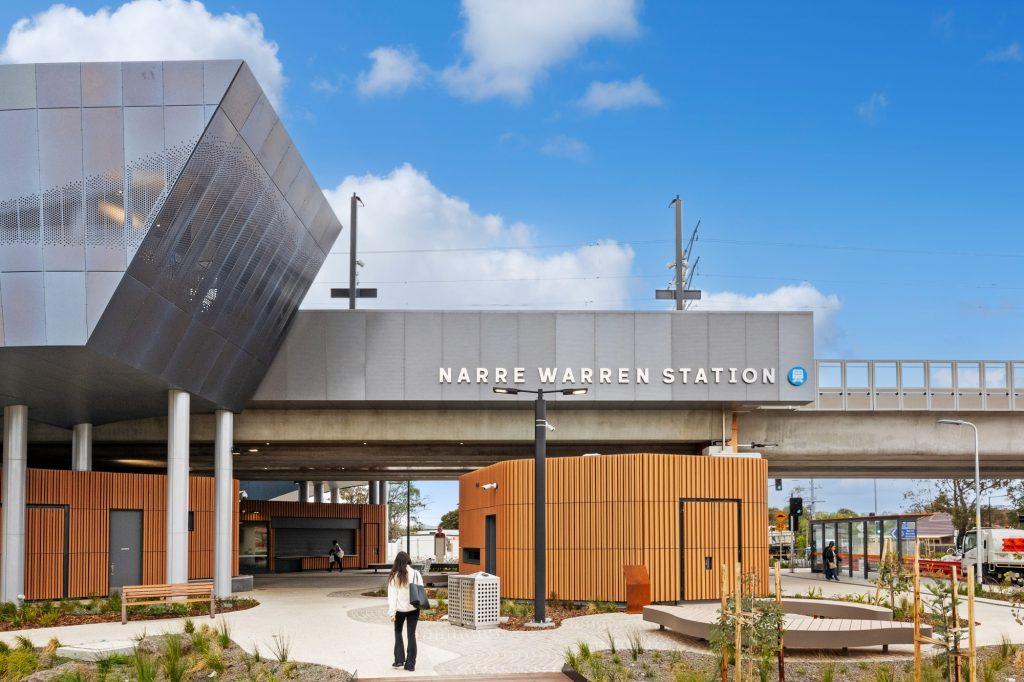
As cities across Australia modernise critical transport infrastructure, projects like the Croydon Station upgrade are redefining how public assets are built, faster, smarter, and with long-term durability in mind. Designed by renowned architecture firm Hassell, Croydon Station is a shining example of how prefabricated construction methods, combined with intelligent material selection, can deliver both speed and quality without compromise.
Prefabrication played a central role in this project. With building components manufactured off-site in controlled factory environments, the construction team was able to significantly accelerate the delivery timeline. This method proved particularly valuable for a live rail environment like Croydon, where minimising service disruption is a top priority. “Prefab” elements were transported to the site and installed during short scheduled downtimes, reducing the impact on rail operations and the local community. Beyond speed, prefabrication also contributed to improved environmental outcomes. Less on-site waste, lower noise disruption, and reduced vehicle movements all aligned with the project’s sustainability goals. In this context, every element had to perform, and this influenced the choice of external cladding.
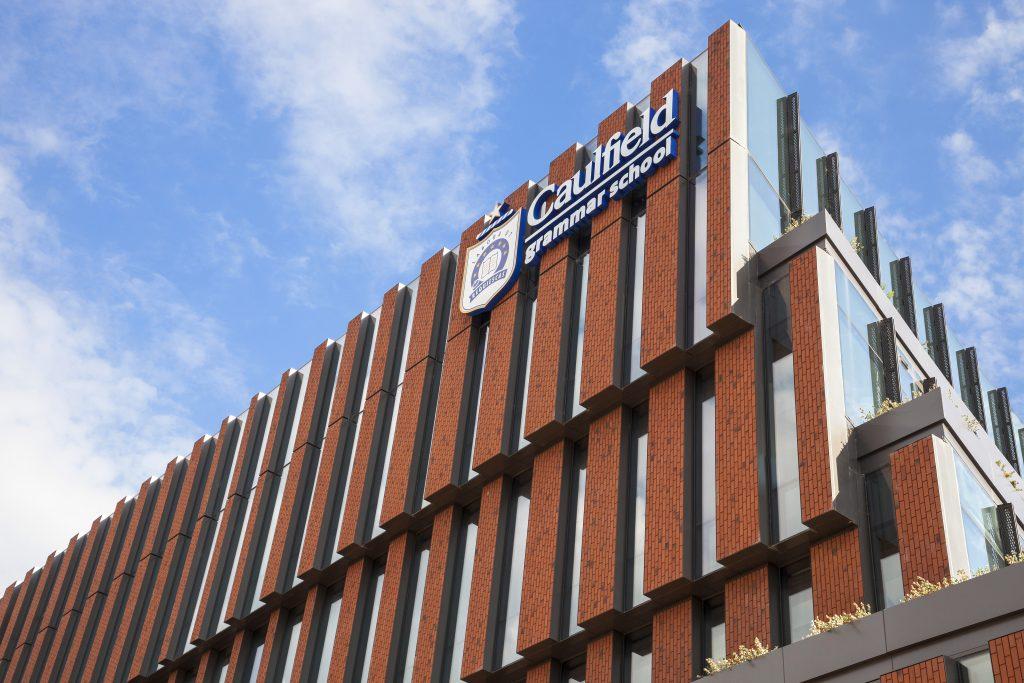
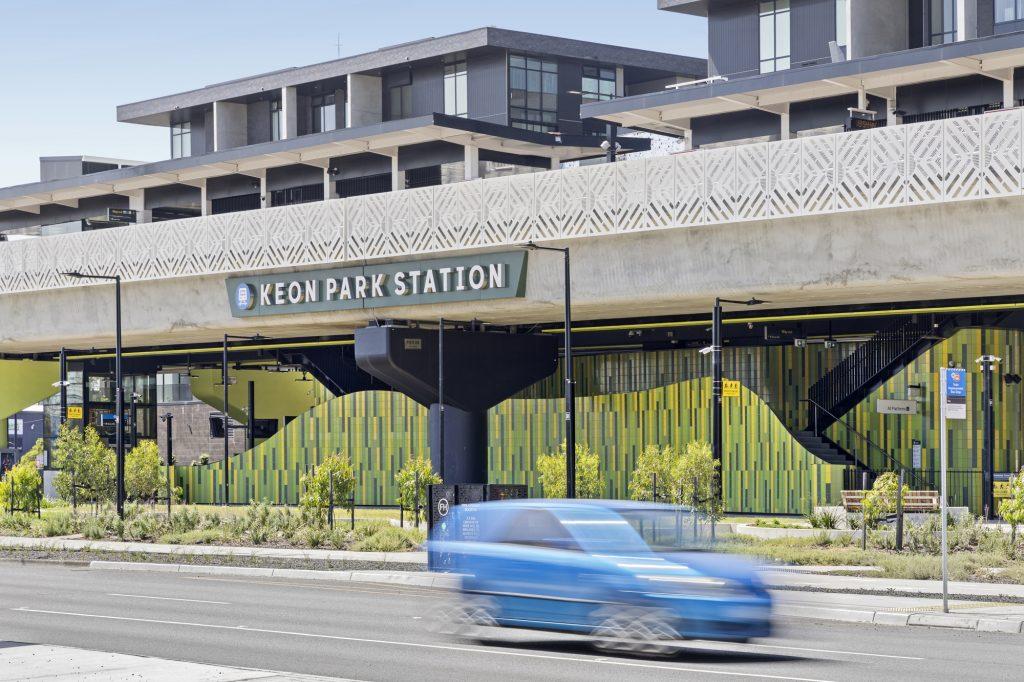
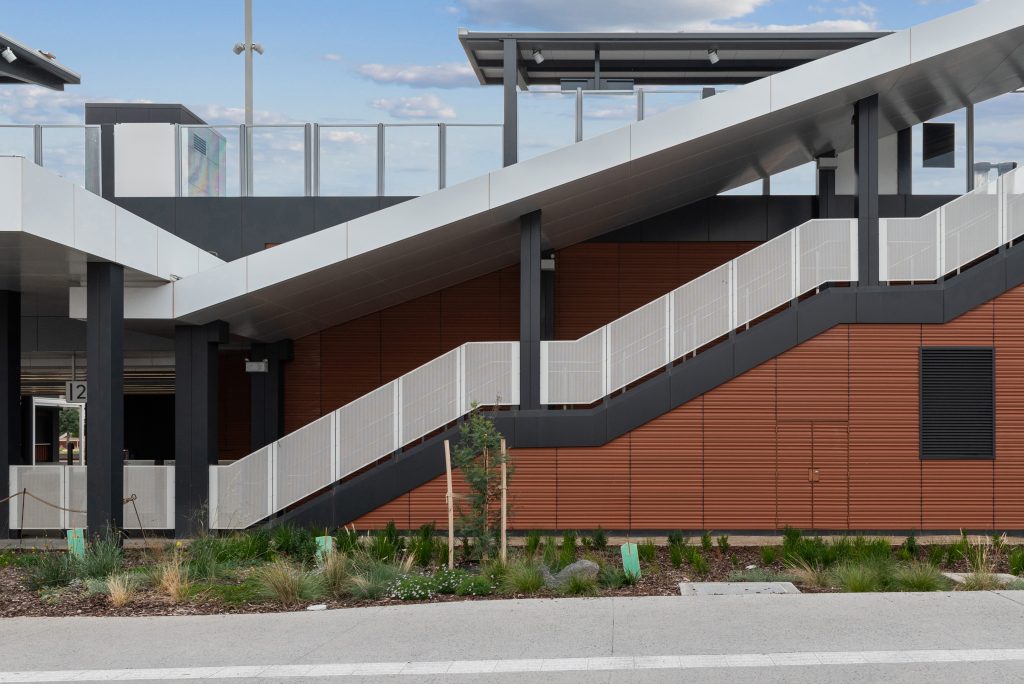
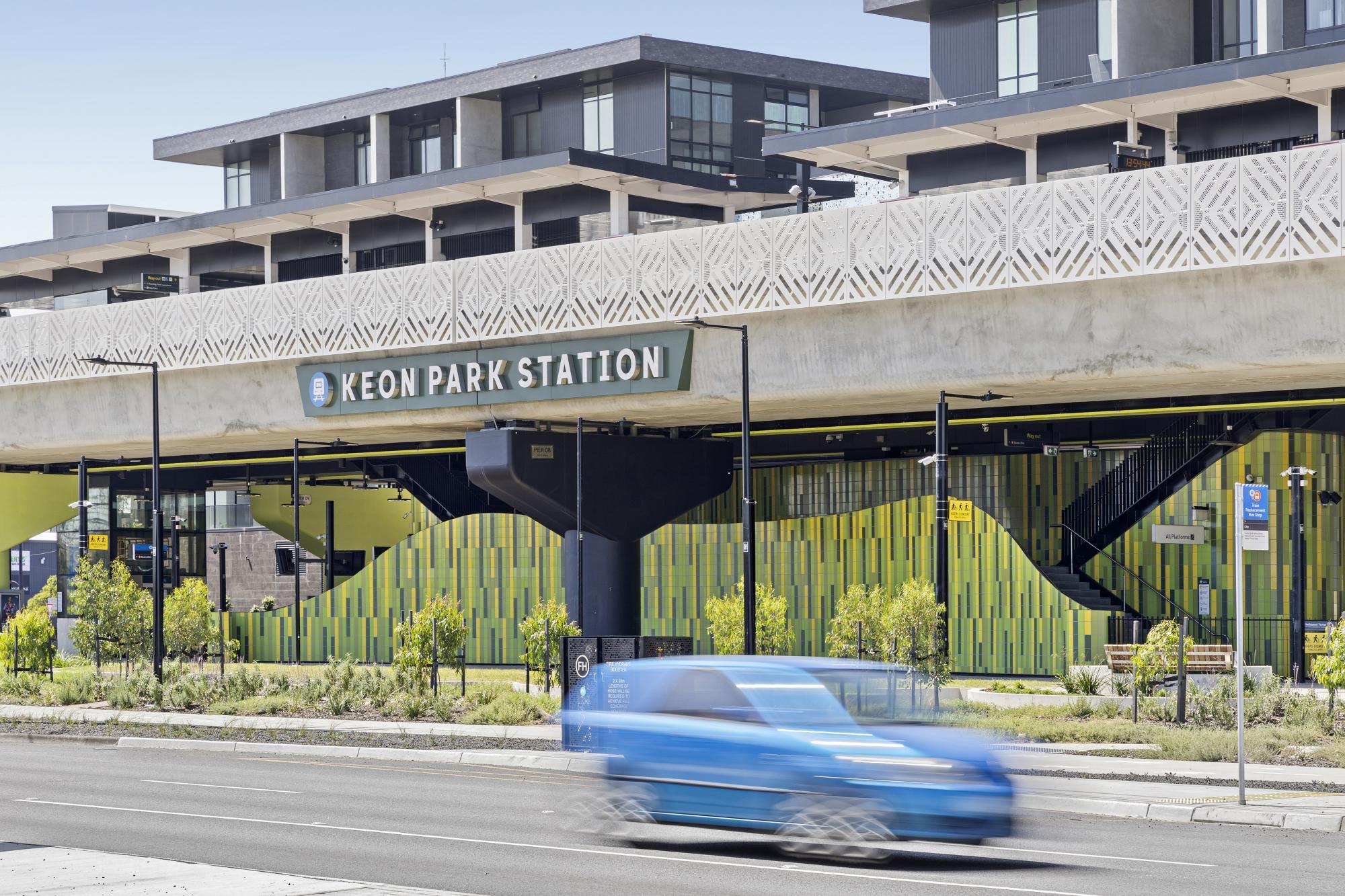
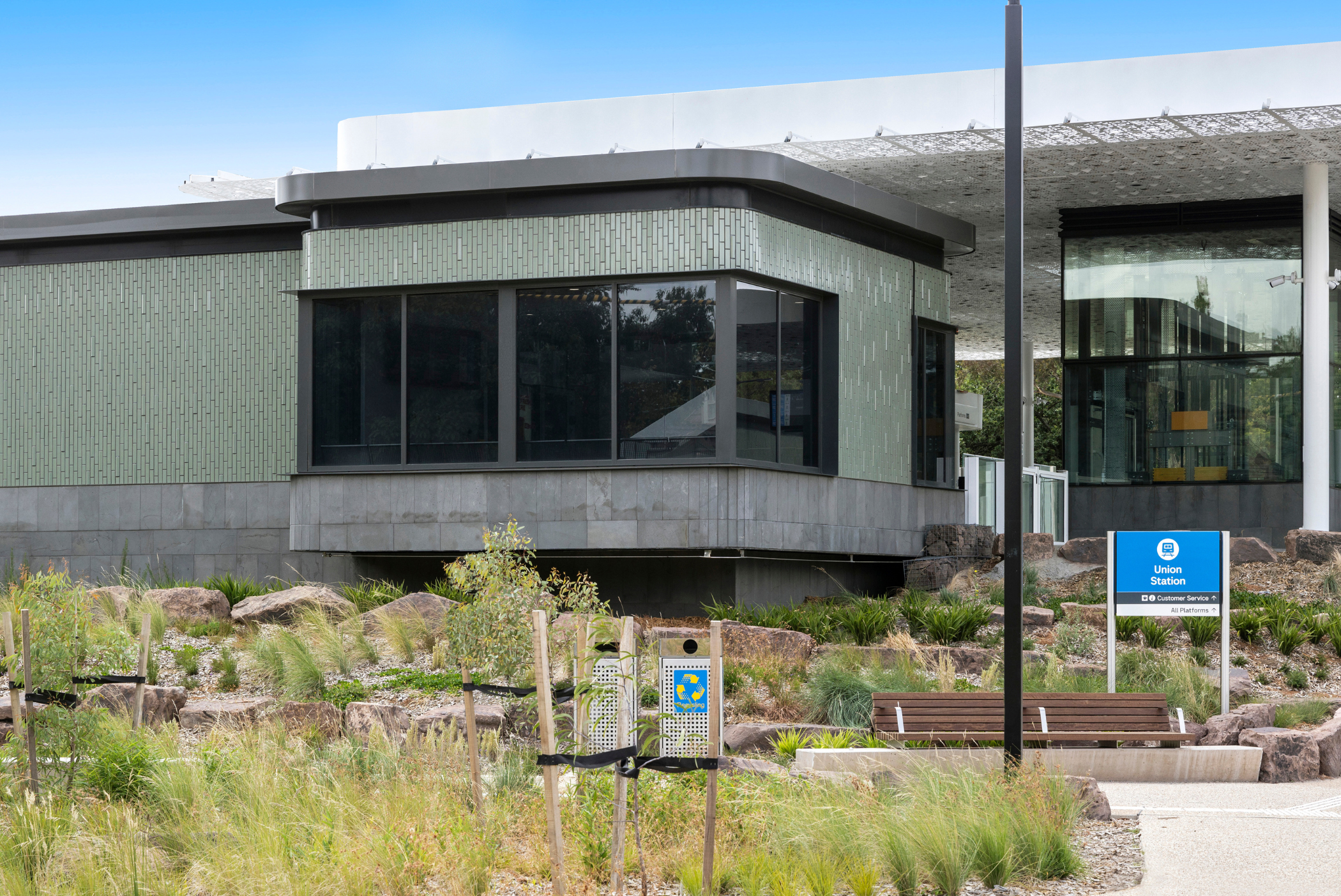
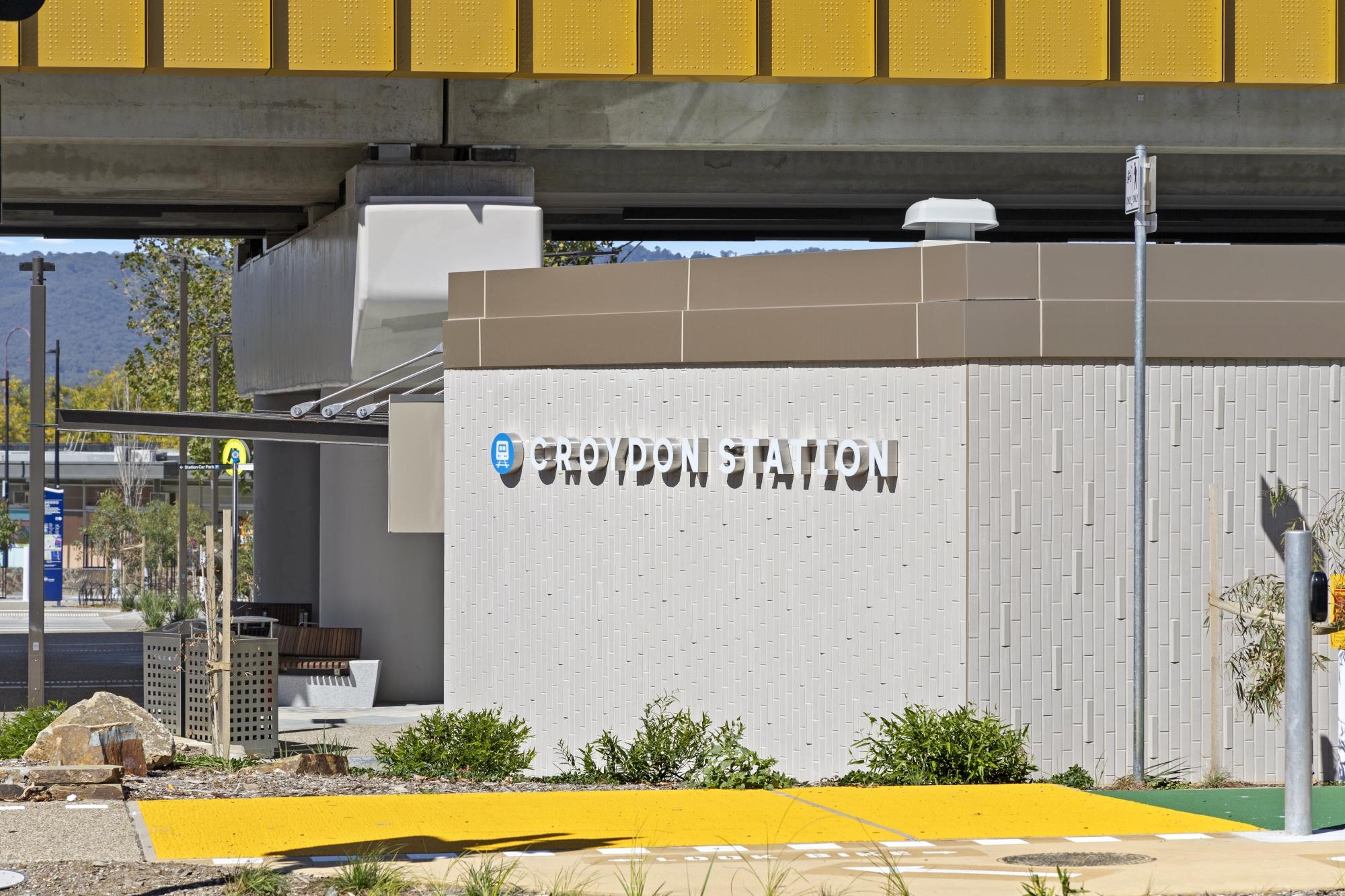
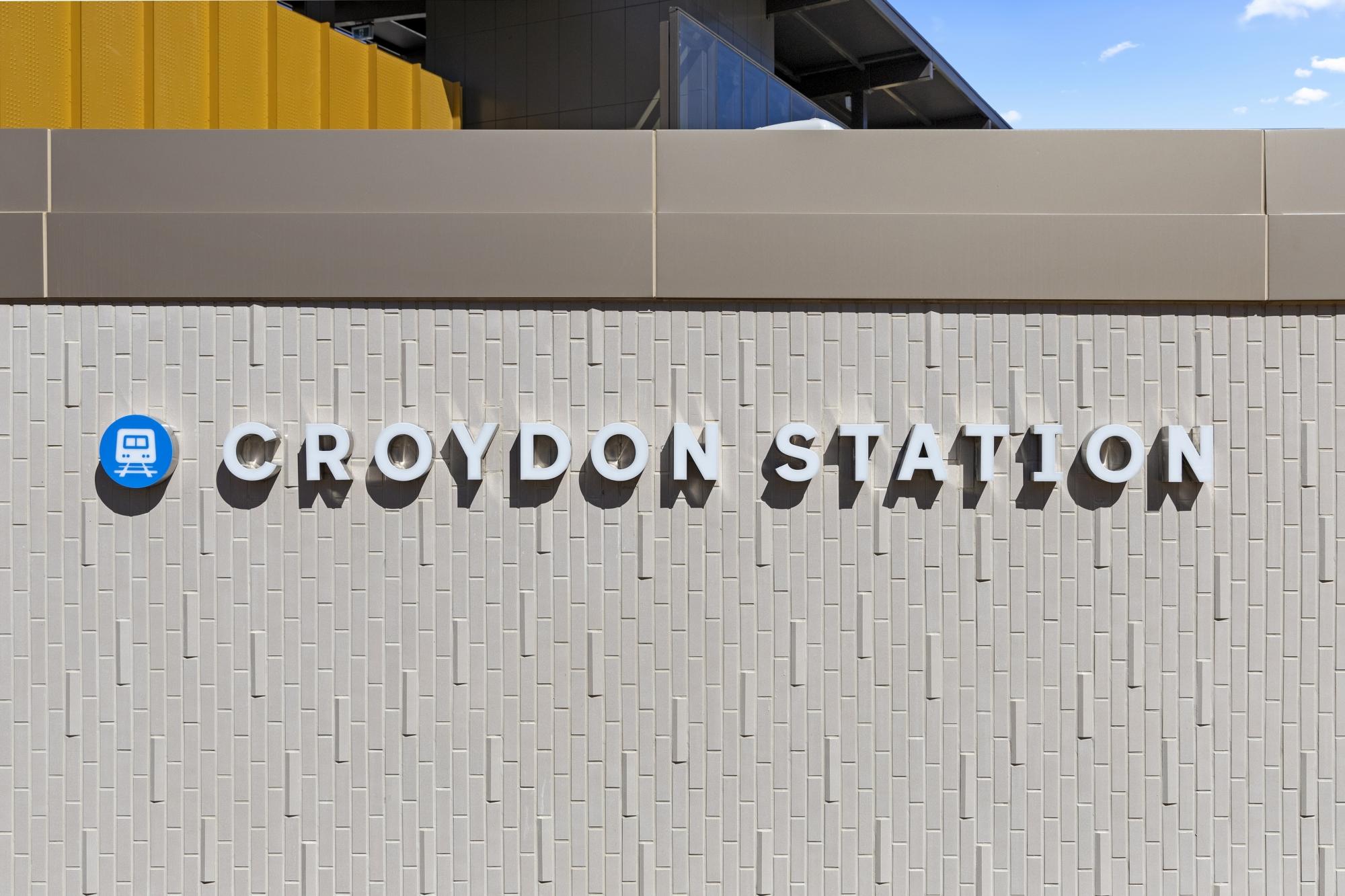
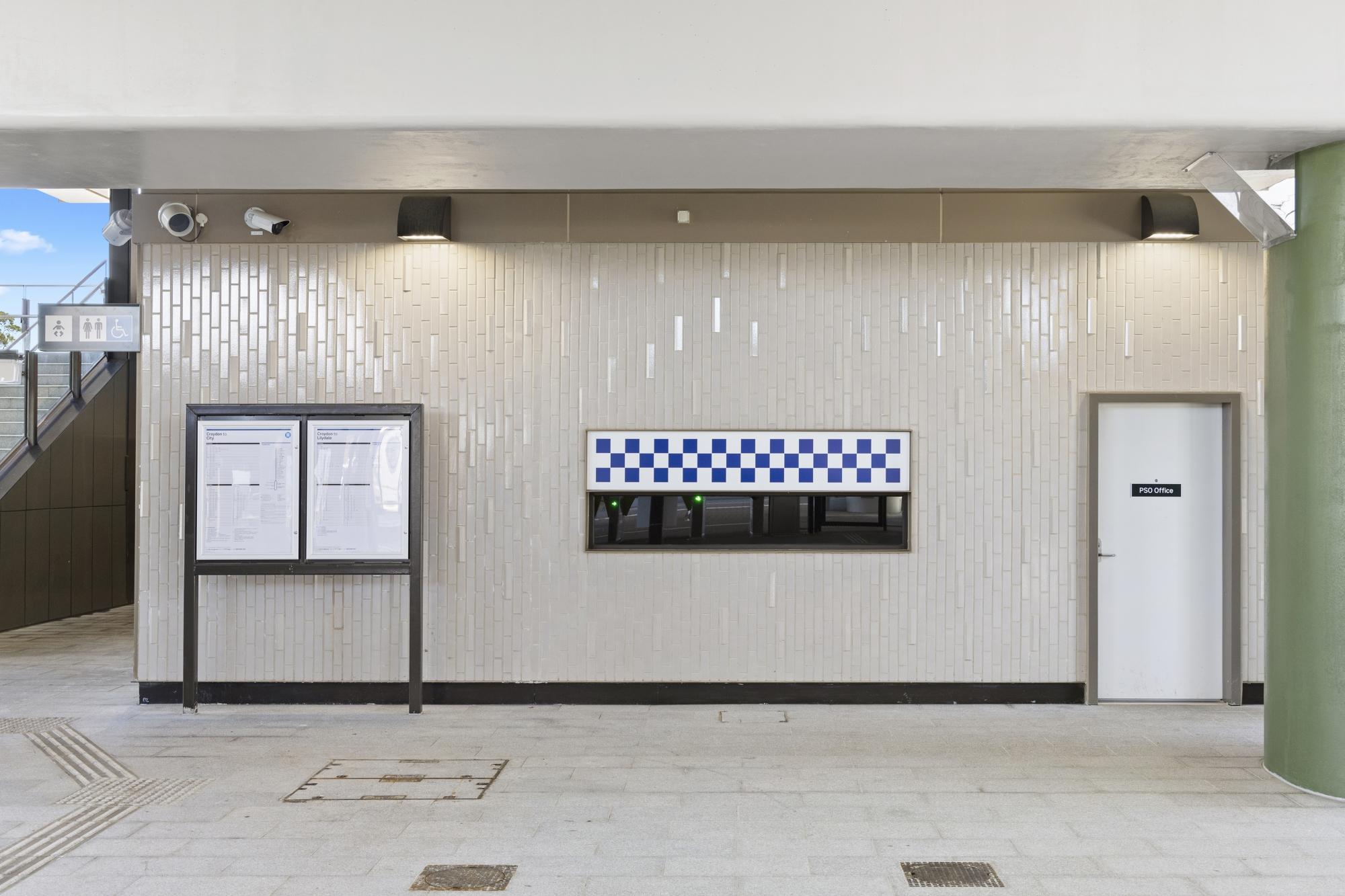
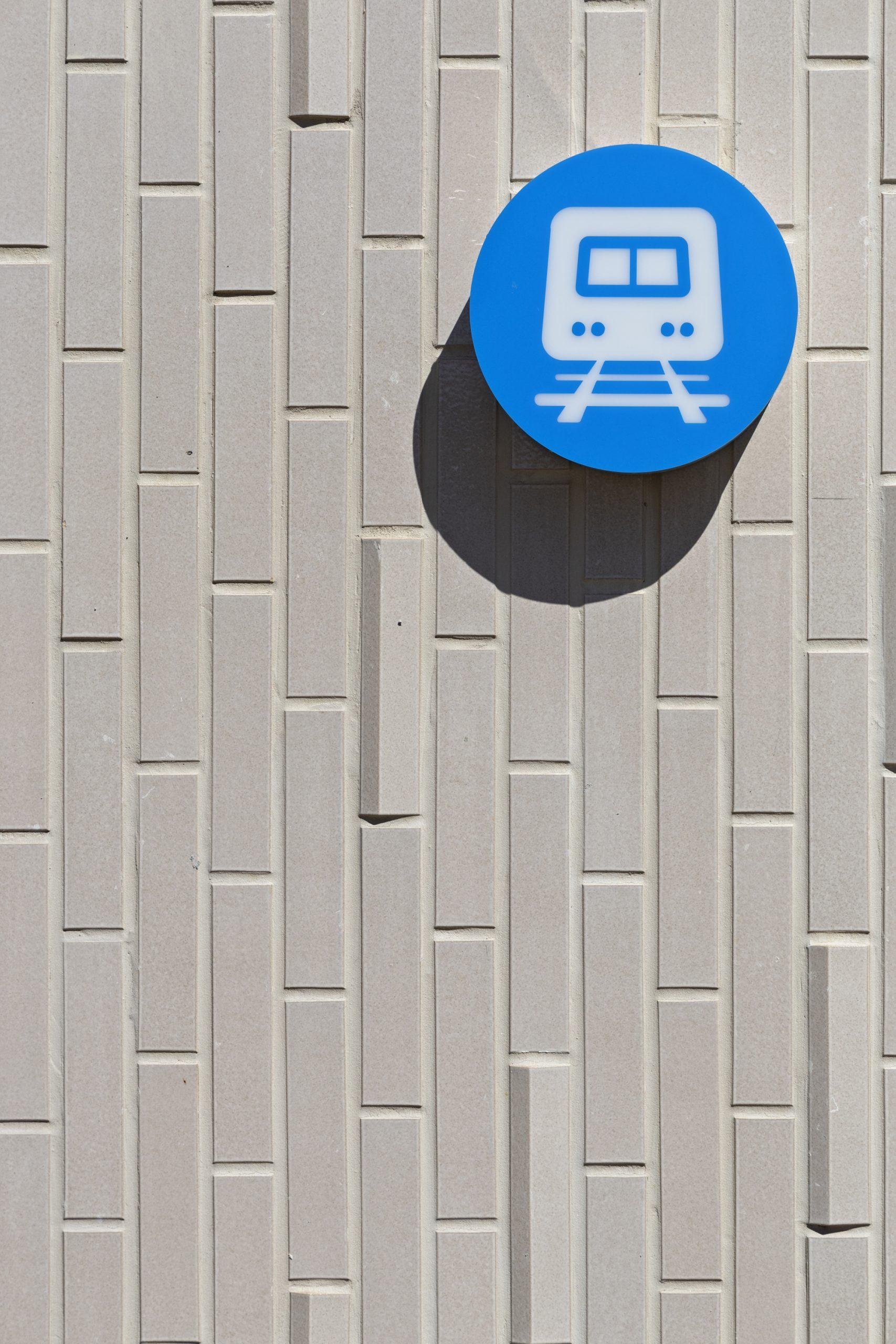
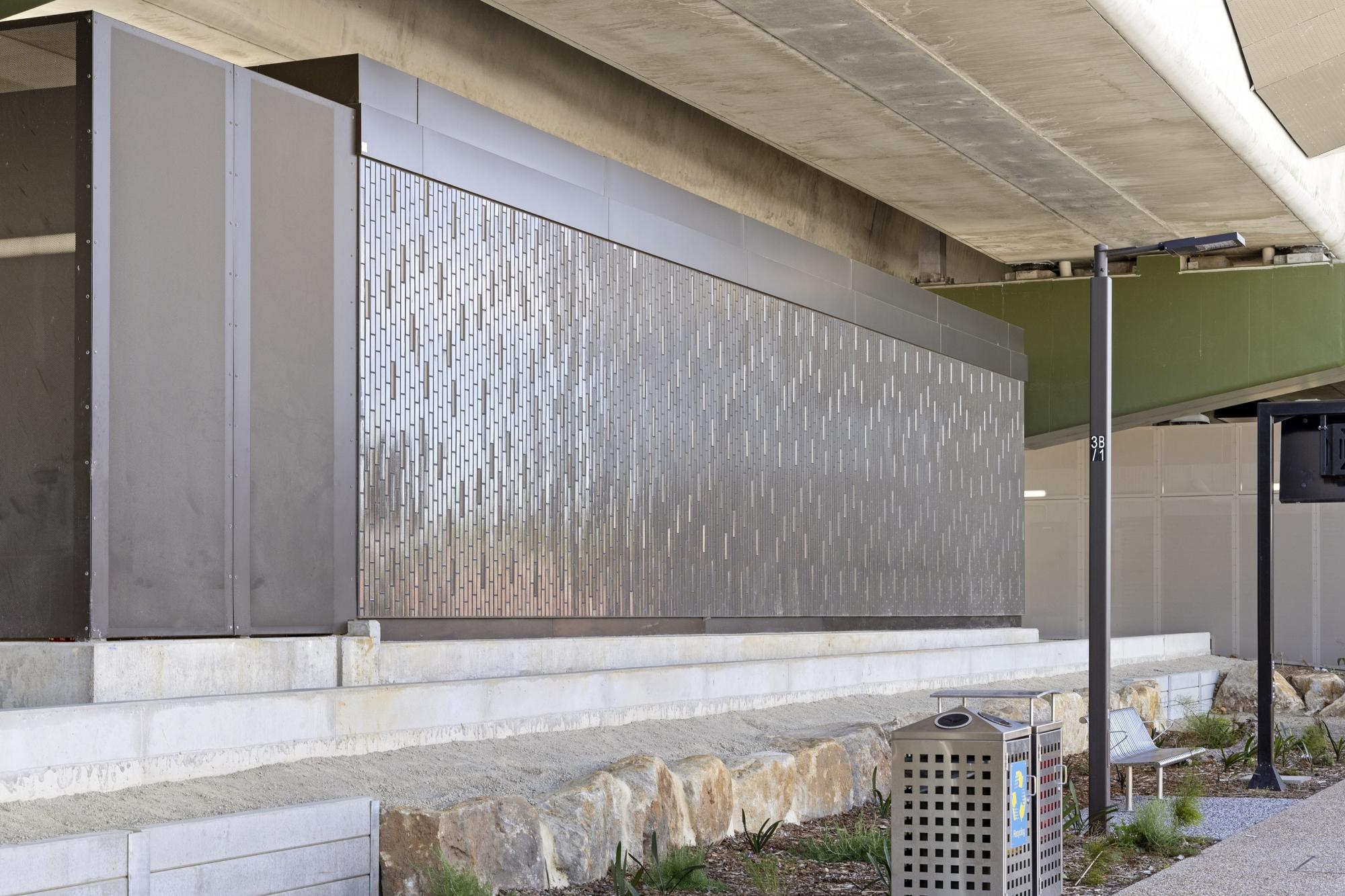
To meet the demands of a high-traffic transport hub, Klay supplied Agrob Buchtal’s Craft brick tiles were selected. Known for their technical strength and architectural versatility, the Craft series was ideally suited to the Croydon Station design. Craft offers exceptional resistance to impact, scratching, buckling, and fading; essential qualities for a public environment that will see thousands of commuters pass through daily. Craft heritage style glazed strip tiles showcases depth in both it’s colour variance and profiled surfaces including ‘wave’, ‘V-pointed’, ‘grooved’ and ‘double-tip’.
Integral to the performance of the façade system is Hytect, Agrob Buchtal’s photocatalytic surface technology. Fused permanently to the ceramic panels during production, Hytect provides a range of functional benefits that reduce maintenance and improve the station’s environmental footprint. It enables the façade to be self-cleaning, as rainwater works with the hydrophilic surface to rinse away dirt and organic matter. The coating is also antibacterial, helping to inhibit microbial growth, an important feature for any public facility. Additionally, the surface is graffiti-resistant and easy to clean, helping transport operators maintain a high-quality appearance over time with minimal upkeep. This was especially important given the station’s location within a busy suburban setting, where vandalism and environmental wear can quickly take a toll on lesser materials. To read more on Graffiti vs Hytect, click here
Perhaps most significantly in today’s urban environment, Hytect helps purify the air, breaking down pollutants such as nitrogen oxides and contributing to a healthier public space. The ease with which graffiti can be removed from the surface, without harsh chemicals, also aligns with the project’s long-term sustainability goals and the need to reduce chemical runoff in surrounding areas.
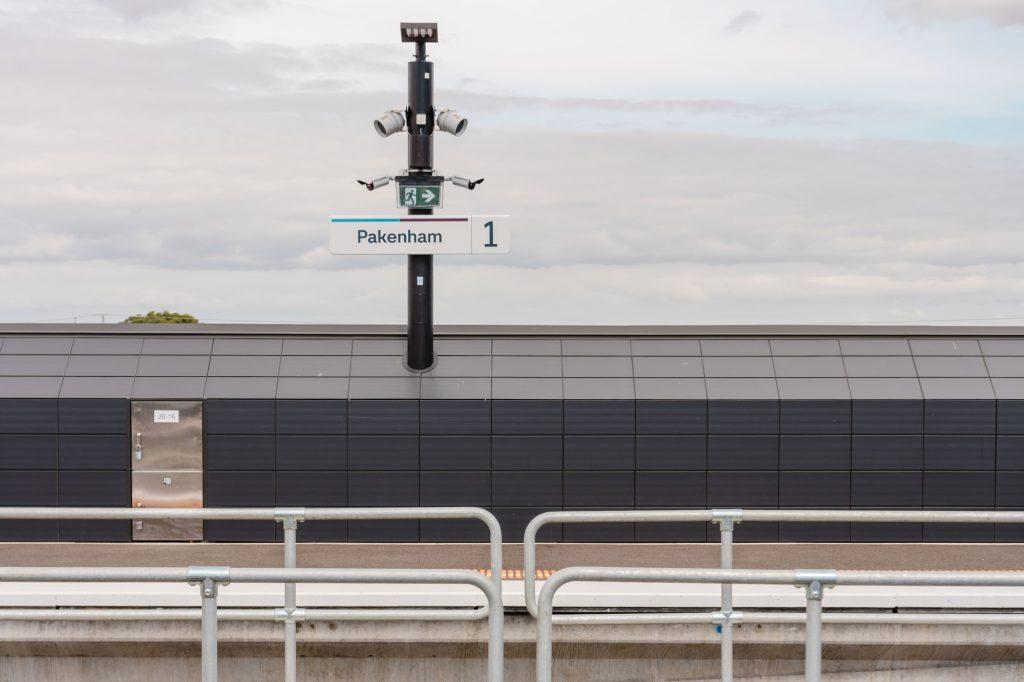
The design of the Craft tiles made them a natural fit for the prefab approach, allowing them to be easily integrated into factory-assembled wall units before being transported to site. This not only ensured high quality control but allowed for architectural freedom, with a clean, modern façade that reinforces Croydon Station’s identity as a future-ready piece of infrastructure.
With this project, Hassell and the broader delivery team have shown what’s possible when thoughtful architecture, construction innovation, and advanced materials come together. The Agrob Buchtal Craft façade has not only delivered on aesthetics but has contributed to the station’s long-term durability, safety, and operational efficiency.
| Architect | Hassell Architecture |
|---|---|
Product |
Craft – White |
| Prefab | Prefab 1 |